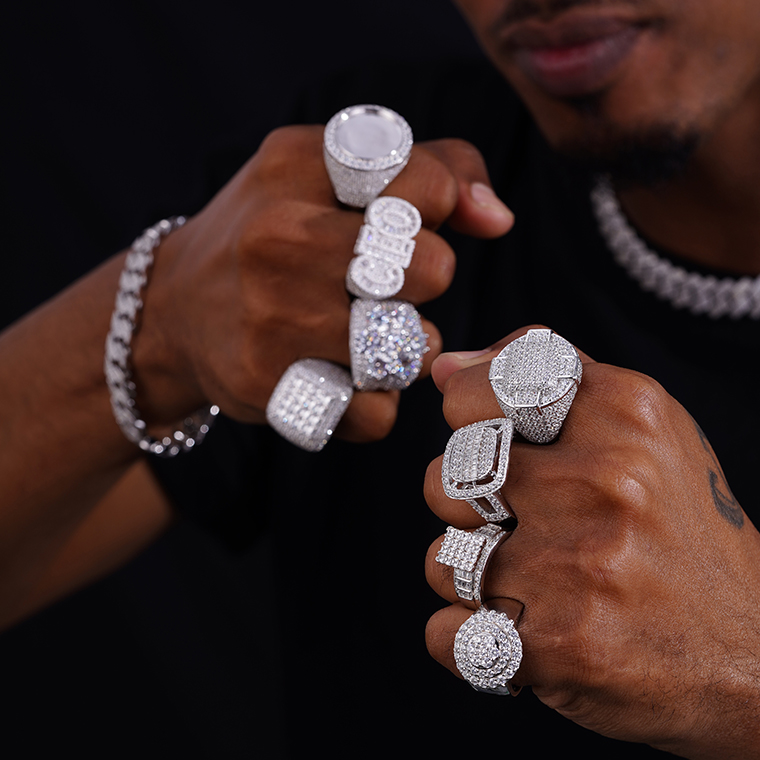






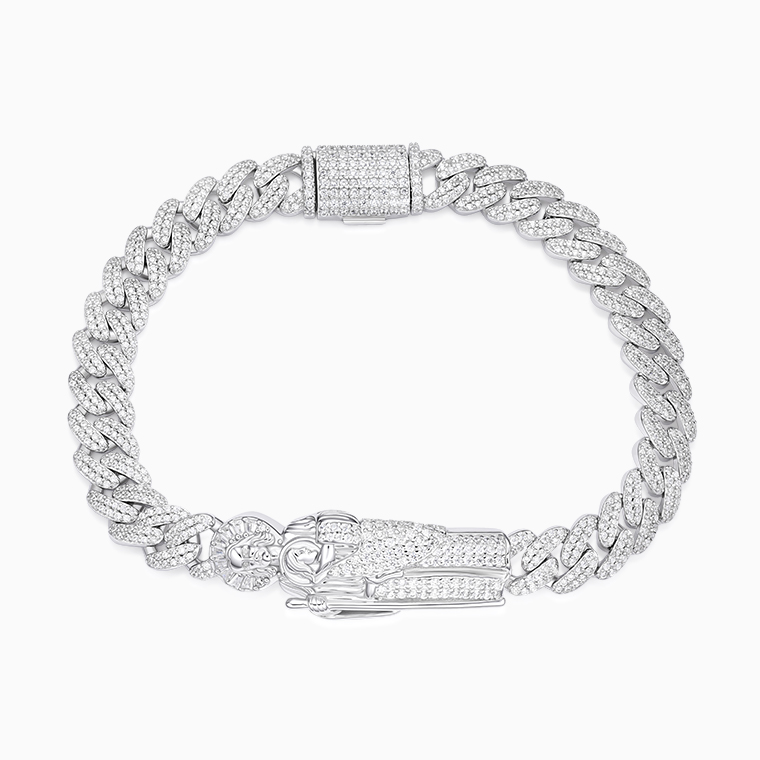
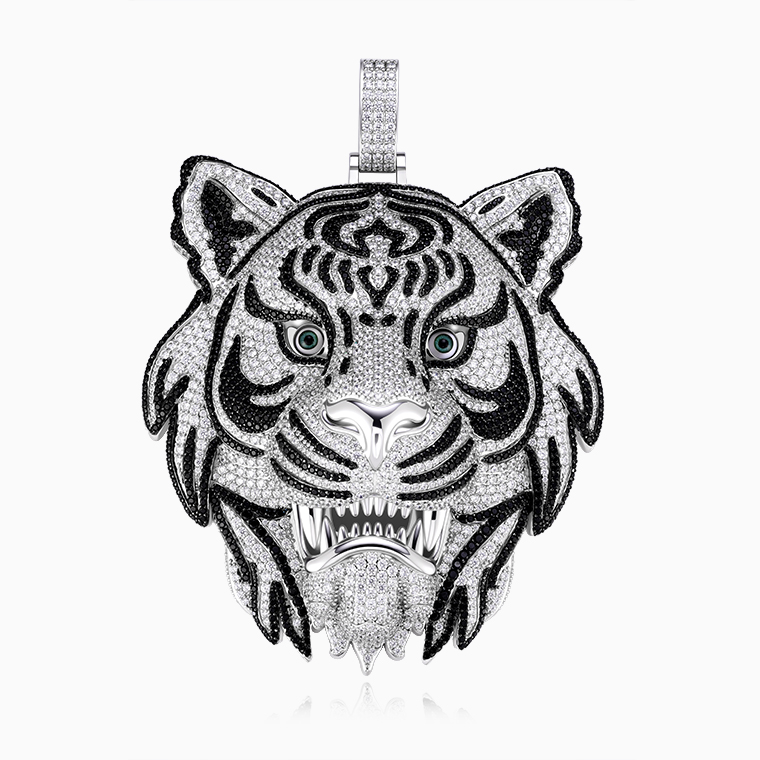

The Factory Floor Matters More Than the Ad Copy
What separates Shining Star from the dozens of other suppliers flooding Alibaba and trade shows comes down to how they handle production. They run everything in-house, which sounds standard until you realize how many competitors outsource critical stages. Here, design sketches move directly into 3D modeling, then casting, stone setting, and final inspection without leaving the building. That tight loop means problems get caught early. A casting flaw doesn't travel three provinces to a separate workshop before someone notices it. For wholesale buyers ordering in bulk, this translates to fewer headaches when the shipment arrives—less variation between pieces, fewer returns, and a product that looks like what they were shown in the sample photos.
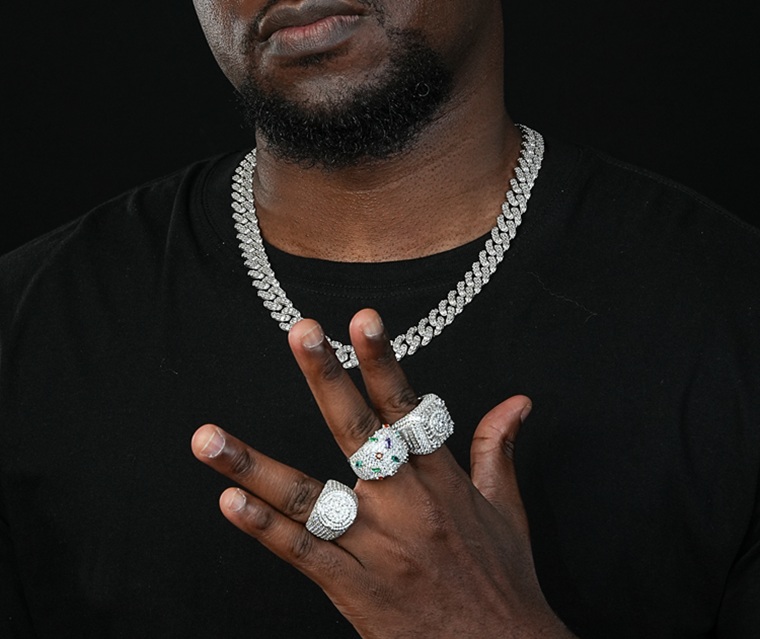
Material Choices That Prioritize Wearability
There's a tendency in hip-hop jewelry to chase visual impact above all else. Shining Star takes a slightly different tack. Their core lineup leans on 925 sterling silver with 18K gold plating and cubic zirconia. Nothing revolutionary on paper, but the execution matters. The plating thickness, the way the base metal is prepped before coating, the setting tolerance for stones—these details determine whether a piece still looks right after six months of regular wear. Artists and influencers who wear jewelry during performances, under hot lights and constant movement, tend to notice these things faster than casual consumers. Word travels when a chain starts flaking or a stone pops out mid-show, and that feedback loop has, by most accounts, pushed Shining Star to keep its tolerances tighter than typical mass-market fare.
Design Without the Short Shelf Life
Hip-hop aesthetics shift fast. What's hot this season can feel dated by next year. Shining Star's design team seems aware of this trap. Rather than chasing every micro-trend, they build collections that borrow from current streetwear and music video visuals but retain enough structural classicism to avoid looking obsolete too quickly. Bold chains and oversized pendants remain central, but the proportions and finishing details evolve rather than lurch. It's a balancing act—staying relevant to a culture that prizes novelty without becoming a brand that only makes sense in hindsight.
Scale That Doesn't Outpace Control
Manufacturing tens of thousands of units monthly sounds impressive, but volume without discipline usually degrades quality. Buyers who have visited the factory describe a workflow that keeps design, production, and QC in close communication. The coordination isn't accidental; it's what allows the operation to scale without the typical decay in consistency. For international wholesale clients—especially those in the American market who might place large orders and then wait weeks for ocean freight—knowing the production side runs this tightly reduces a lot of the anxiety that comes with overseas procurement.
Why American Buyers Are Flying to China
The most telling signal of Shining Star's reputation isn't online reviews or social media mentions. It's the number of U.S.-based buyers willing to book flights and visit the facility personally. In an industry where middlemen and dropshipping dominate, direct factory relationships are rare enough to be noteworthy. These visits serve a dual purpose. Buyers get to verify quality standards and material claims with their own eyes, and they walk away with a working understanding of the people and processes behind the brand. That face-to-face element builds a different kind of loyalty than discount codes ever could. It also sidesteps the trust problem that plagues so much cross-border jewelry trade—when you've watched a piece being assembled, you're less likely to worry about bait-and-switch tactics.
Reading Culture Instead of Chasing It
The design process at Shining Star incorporates an unusual input: active cultural monitoring. The team tracks not just what's selling, but what's surfacing in hip-hop videos, what streetwear brands are pairing with jewelry, and how influencer styling is shifting. This isn't focus-group data or trend reports from fashion forecasting agencies. It's closer to embedded observation—designers staying immersed in the culture that wears their products. The result is jewelry that feels native to the scene rather than imported into it, a subtle distinction that matters enormously in a market where authenticity carries real weight.
Looking Ahead
Shining Star Jewelry's trajectory points to something larger than one brand's success story. It suggests that hip-hop jewelry buyers—particularly those buying at volume—are maturing in their expectations. Flash alone isn't enough anymore. Buyers want supply chains they can understand, quality they can rely on, and designs that speak the language of the culture without exhausting it. Shining Star hasn't cornered this market entirely, but it has demonstrated that manufacturing competence and cultural fluency can coexist. For competitors watching from the sidelines, that's a harder combination to replicate than it looks.